PUBLISH DATE:
READ TIME:
8 MIN
The Myth of Balance
The Myth of Balance
The Myth of Balance
We are not designed for static equilibrium; we are designed for dynamic oscillation. A biophysical look at why chasing "work-life balance" leads to structural burnout, and what to aim for instead.
We are not designed for static equilibrium; we are designed for dynamic oscillation. A biophysical look at why chasing "work-life balance" leads to structural burnout, and what to aim for instead.
We are not designed for static equilibrium; we are designed for dynamic oscillation. A biophysical look at why chasing "work-life balance" leads to structural burnout, and what to aim for instead.
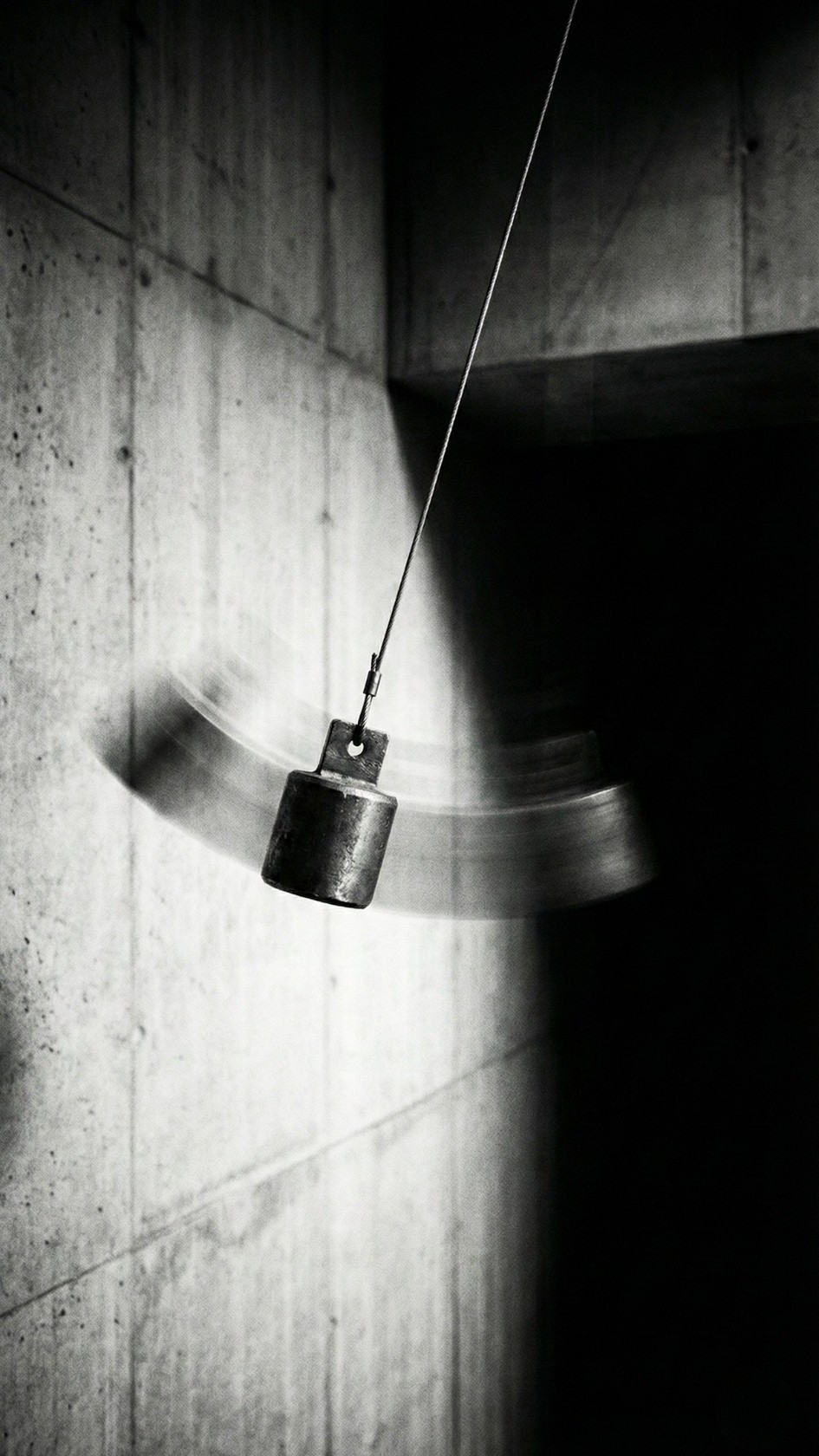
The necessity of oscillation in structural integrity.
The Static Fallacy
In architectural engineering, a structure designed to be perfectly rigid will inevitably crack under environmental stress. Skapscreapers are designed to sway; bridges are designed to expand and contract with temperature. Survival requires dynamic oscillation, not static rigidity.
Yet, in the sphere of human wellness, we are sold the architecture of "balance."
The cultural ideal of work-life balance suggests a set of scales held in perfect, motionless equilibrium: 50% output, 50% recovery, held indefinitely. This is a biological impossibility. The human nervous system is rhythmic, not static. From circadian (24-hour) cycles to ultradian (90-minute) cycles, our biology demands peaks of high-intensity output followed by deep valleys of restorative rest.
Trying to maintain a "balanced" state of moderate stress all day is akin to holding a heavy weight at arm's length. It requires immense, continuous energy expenditure. The result is not serenity; it is a low-grade, chronic state of allostatic load that eventually crumbles the foundation.
The Biological cost of "Holding it Together"
When we aim for balance, we usually achieve mediocrity in both work and rest. We are too accessible during restorative hours, and too distracted during deep work hours. This "grey zone" activity confuses the autonomic nervous system. It never receives a clear signal to fully engage the sympathetic "hunt" mode, nor does it receive the clear safety signal required for parasympathetic "digest and recover" mode.
We live in a biological twilight state. The cost is high: decision fatigue, reactive emotional states, and a reliance on exogenous stimulants (caffeine, dopamine hits) to maintain the artificial equilibrium.
The Alternative: Dynamic Stability
At Skybloom, we do not architect for balance. We architect for dynamic stability.
Dynamic stability is the ability to deviate far from your baseline in pursuit of intense work or deep experience, and then harmoniously snap back to center without residual structural damage. It is the difference between holding a pose and flowing through a sequence.
To achieve this, we must stop trying to moderate our days and start architecting extreme oscillation.
This looks like periods of intense, highly-leveraged deep work where "balance" is ignored in favor of singular focus. Crucially, this must be immediately followed by periods of aggressive, non-negotiable recovery where productivity is ignored in favor of deep rest.
The goal is not to keep the scales even every day. The goal is to ensure the fulcrum—your baseline nervous system health—is strong enough to handle the swinging of the weights. Do not seek balance. Seek a stronger center.
The Static Fallacy
In architectural engineering, a structure designed to be perfectly rigid will inevitably crack under environmental stress. Skapscreapers are designed to sway; bridges are designed to expand and contract with temperature. Survival requires dynamic oscillation, not static rigidity.
Yet, in the sphere of human wellness, we are sold the architecture of "balance."
The cultural ideal of work-life balance suggests a set of scales held in perfect, motionless equilibrium: 50% output, 50% recovery, held indefinitely. This is a biological impossibility. The human nervous system is rhythmic, not static. From circadian (24-hour) cycles to ultradian (90-minute) cycles, our biology demands peaks of high-intensity output followed by deep valleys of restorative rest.
Trying to maintain a "balanced" state of moderate stress all day is akin to holding a heavy weight at arm's length. It requires immense, continuous energy expenditure. The result is not serenity; it is a low-grade, chronic state of allostatic load that eventually crumbles the foundation.
The Biological cost of "Holding it Together"
When we aim for balance, we usually achieve mediocrity in both work and rest. We are too accessible during restorative hours, and too distracted during deep work hours. This "grey zone" activity confuses the autonomic nervous system. It never receives a clear signal to fully engage the sympathetic "hunt" mode, nor does it receive the clear safety signal required for parasympathetic "digest and recover" mode.
We live in a biological twilight state. The cost is high: decision fatigue, reactive emotional states, and a reliance on exogenous stimulants (caffeine, dopamine hits) to maintain the artificial equilibrium.
The Alternative: Dynamic Stability
At Skybloom, we do not architect for balance. We architect for dynamic stability.
Dynamic stability is the ability to deviate far from your baseline in pursuit of intense work or deep experience, and then harmoniously snap back to center without residual structural damage. It is the difference between holding a pose and flowing through a sequence.
To achieve this, we must stop trying to moderate our days and start architecting extreme oscillation.
This looks like periods of intense, highly-leveraged deep work where "balance" is ignored in favor of singular focus. Crucially, this must be immediately followed by periods of aggressive, non-negotiable recovery where productivity is ignored in favor of deep rest.
The goal is not to keep the scales even every day. The goal is to ensure the fulcrum—your baseline nervous system health—is strong enough to handle the swinging of the weights. Do not seek balance. Seek a stronger center.
The Static Fallacy
In architectural engineering, a structure designed to be perfectly rigid will inevitably crack under environmental stress. Skapscreapers are designed to sway; bridges are designed to expand and contract with temperature. Survival requires dynamic oscillation, not static rigidity.
Yet, in the sphere of human wellness, we are sold the architecture of "balance."
The cultural ideal of work-life balance suggests a set of scales held in perfect, motionless equilibrium: 50% output, 50% recovery, held indefinitely. This is a biological impossibility. The human nervous system is rhythmic, not static. From circadian (24-hour) cycles to ultradian (90-minute) cycles, our biology demands peaks of high-intensity output followed by deep valleys of restorative rest.
Trying to maintain a "balanced" state of moderate stress all day is akin to holding a heavy weight at arm's length. It requires immense, continuous energy expenditure. The result is not serenity; it is a low-grade, chronic state of allostatic load that eventually crumbles the foundation.
The Biological cost of "Holding it Together"
When we aim for balance, we usually achieve mediocrity in both work and rest. We are too accessible during restorative hours, and too distracted during deep work hours. This "grey zone" activity confuses the autonomic nervous system. It never receives a clear signal to fully engage the sympathetic "hunt" mode, nor does it receive the clear safety signal required for parasympathetic "digest and recover" mode.
We live in a biological twilight state. The cost is high: decision fatigue, reactive emotional states, and a reliance on exogenous stimulants (caffeine, dopamine hits) to maintain the artificial equilibrium.
The Alternative: Dynamic Stability
At Skybloom, we do not architect for balance. We architect for dynamic stability.
Dynamic stability is the ability to deviate far from your baseline in pursuit of intense work or deep experience, and then harmoniously snap back to center without residual structural damage. It is the difference between holding a pose and flowing through a sequence.
To achieve this, we must stop trying to moderate our days and start architecting extreme oscillation.
This looks like periods of intense, highly-leveraged deep work where "balance" is ignored in favor of singular focus. Crucially, this must be immediately followed by periods of aggressive, non-negotiable recovery where productivity is ignored in favor of deep rest.
The goal is not to keep the scales even every day. The goal is to ensure the fulcrum—your baseline nervous system health—is strong enough to handle the swinging of the weights. Do not seek balance. Seek a stronger center.